Aluna Blood Bank

Toward a reliable, humane blood supply for veterinary care

Building the regional community veterinary blood bank Southern California doesn't have.

In clinical review — fundraising not yet open

Why we're building this

Human blood banking has always been community-based. Why did we accept anything different for animals?

The veterinary blood supply in California has failed on two independent grounds. The ethical one: the existing supply model keeps animals in captivity for the purpose of collection. The logistical one: the products most urgently needed in emergency care can't survive the distance from an out-of-state bank.

Neither failure is acceptable. Both trace to the same structural cause: the supply chain is too long.

"The constraint wasn't practical. It was structural. And structural problems require structural answers — not more effort applied to the same broken model."

8 hrs

Fresh whole blood viable window. Any supply chain longer than same-region destroys this product's clinical utility.

3–5d

Platelet concentrate shelf life. Room-temperature storage, continuous agitation. Shipped supply is unworkable.

0

Community veterinary blood banks in Southern California. This is what's being built.

2026

Target pilot launch. Facility secured, medical director in place, clinical review underway.

Both failures point to the same structural gap — and the same structural answer. Aluna Blood Bank is being built to close it. AlunaLabs is the operational entity that runs it.

Ethical

Voluntary community donors in place of captive colony animals

Captive colony animals replaced by pets and rescue dogs living at home — enrolled with full owner consent, on their own terms.

Logistical

Local banking makes structurally impossible products viable

Structurally impossible products become viable. Supply-constrained products become dependable. The distance problem is eliminated.

Clinical

Mobile lab delivers compatibility testing at the point of care

AlunaLabs delivers compatibility testing on-site at the clinic. Proximity is the reason it will be available. Distance is why it isn't now.

How it works

Aluna Blood Bank is the model. AlunaLabs runs every operation within it.

AlunaLabs is the operational core — responsible for every step between a donor and a clinic. Donor enrollment, screening, collection, component processing, inventory management, on-site crossmatching, and dispatch. All of it, locally.

From the call to the clinic.

A trauma case at 11pm. The attending vet needs packed red cells and platelet concentrate within the hour. No waiting for a shipment. No sourcing from out of state.

1

Donor on file.

Every enrolled donor has a completed DEA blood type, infectious disease panel, and health record on file before any clinical need arises.

2

Products confirmed and ready.

Donations are processed into components — pRBCs, FFP, and platelet concentrate — stored at the correct temperature and tracked through real-time inventory.

3

Mobile lab arrives at the clinic.

The AlunaLabs mobile unit travels to the clinic. DEA crossmatching is performed at the point of care, on the patient, before administration.

The donor model

Enrolled. Not housed.

Every donor has a family, a vet, and a home to come back to. The model is built around that — not the other way around.

Found through rescue — or through you.

Most donors come through rescue partners who refer eligible dogs after adoption screening. Community pets can also be enrolled directly with owner consent. Nothing proceeds until confirmed safe.

Free health screening — blood typing, infectious disease panel, physical exam before first collection.

Under an hour. Home the same day.

Collection takes under an hour. The dog is sedated only if clinically indicated — most tolerate the process calmly under light restraint. After collection, they go home the same day.

Ongoing health monitoring — regular check-ins at no cost. Participation reviewed at every visit.

Voluntary, revocable, always.

Participation is always voluntary, always revocable. When a rescue donor is adopted, the new family can continue enrollment on their own terms — or not. The dog's record follows them.

Persistent health record — history doesn't disappear when a rescue places a dog.

The products

Two products can't leave the region. The other two shouldn't have to.

Managing all four locally means each product is available within its viable window.

Structurally impossible to ship

Platelet Concentrate

Room-temperature storage, continuous agitation, and a 3–5 day shelf life make centralised or shipped supply unworkable. Local is the only viable model.

Storage: Room temp 22–24°C, continuous agitation
Shelf life: 3–5 days

8-hour FWB window

Whole Blood

Fresh whole blood is only viable within 8 hours of collection. Any supply chain longer than same-region destroys this product's clinical utility.

Storage: Refrigerated 1–6°C
FWB window: 8 hours

Available remotely — supply-constrained

Packed RBCs

pRBCs can be shipped, but supply from commercial banks is inconsistent. Local availability reduces dependency on national supply chains.

Storage: Refrigerated 1–6°C
Shelf life: 35–42 days

8-hour processing window

Fresh Frozen Plasma

FFP must be frozen within 8 hours of collection to preserve clotting factor activity. Local processing ensures the product is frozen within the window.

Storage: Frozen ≤−18°C
Shelf life: 12 months

Who is building this

Leadership. Facility. Both already secured.

Most projects at this stage have a concept and a deck. AlunaLabs has a named clinical director and a physical facility — both committed before fundraising opens.

Operating Base: Portola Road, Ventura — Facility secured · Pre-launch phase

Located within the regional clinic cluster and near the rescue partner network. Dedicated collection suites, component processing area, and mobile lab staging. Buildout underway ahead of pilot launch.
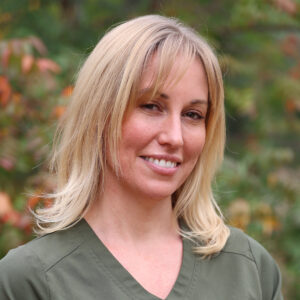
Dr. Teresa Schumacher
Medical Director · Co-Founder Dr. Teresa Schumacher, DVM Medical Director, AlunaLabs · Co-Founder, Aluna

Dr. Schumacher holds a DVM from UC Davis and spent over a decade in emergency and critical care — the discipline most directly dependent on reliable transfusion support. Her clinical experience spans the full workflow: donor assessment, DEA blood typing, crossmatching, and component administration under time pressure.

Standards & safety

Built to the standard the work requires.

California regulations set the floor. The protocols here go further.

AlunaLabs is pursuing registration through the required California pathways before pilot launch. Regulations effective July 1, 2025 established licensing, inspection, and quarterly reporting requirements.

  • CDFA Animal Blood Banking Guidance (updated April 2025) — primary regulatory framework
  • AABB human blood banking standards — applied to veterinary context per CDFA guidance
  • ACVIM Consensus Statement — canine donor screening protocol
  • AVHTM TRACS guidelines — transfusion safety and adverse reaction monitoring
  • BPC § 4920.4 & 4920.5 registration — VMB registration and annual CDFA product listing, filed ahead of pilot operations

Get involved

Pre-registration is open. No commitment required yet.

There are three ways to be part of this before pilot launch.

For dog owners

Register your dog

Pre-register your dog as a potential donor. We'll reach out when screening begins — no blood draw until you're ready and your dog has been evaluated.

Register a dog →

For rescue organisations

Become a rescue partner

Rescue partners form the primary donor cohort. Enrolled dogs receive ongoing health monitoring at no cost. Pre-registration is open now.

Partner with us →

For veterinary practices

Join clinical review

Regional ECC, internal medicine, and oncology practices are in clinical review ahead of the pilot. Inquire about joining the partner clinic programme.

Join review →

Ready to help build this?

Pre-registration is open now — no commitment required at this stage.

Register your dog → Partner with us